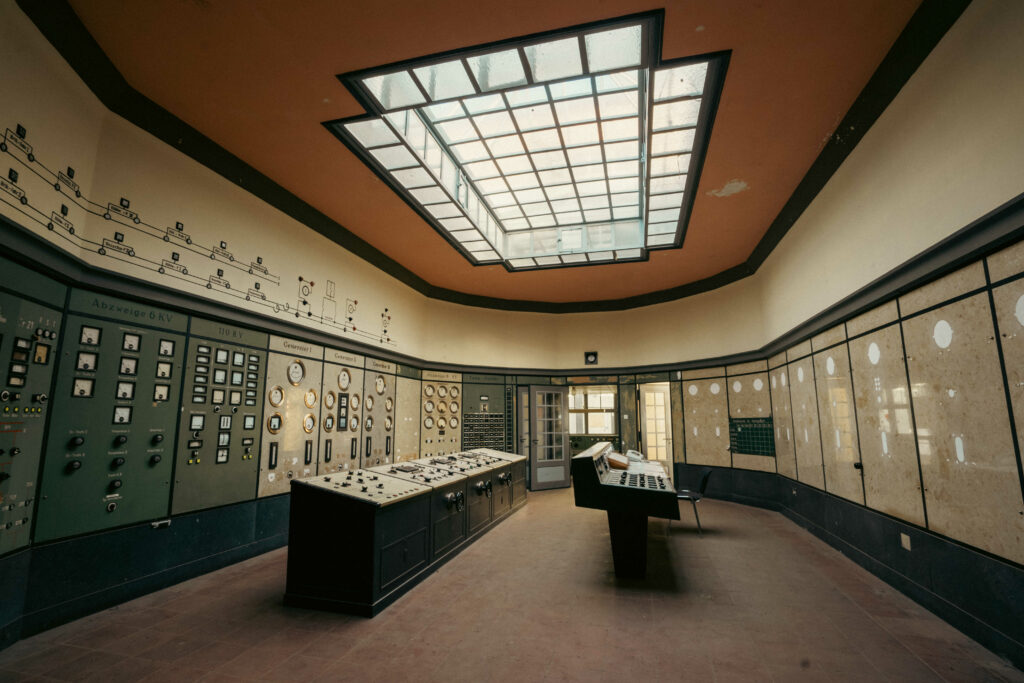
The last standing house of the Nazi leaders
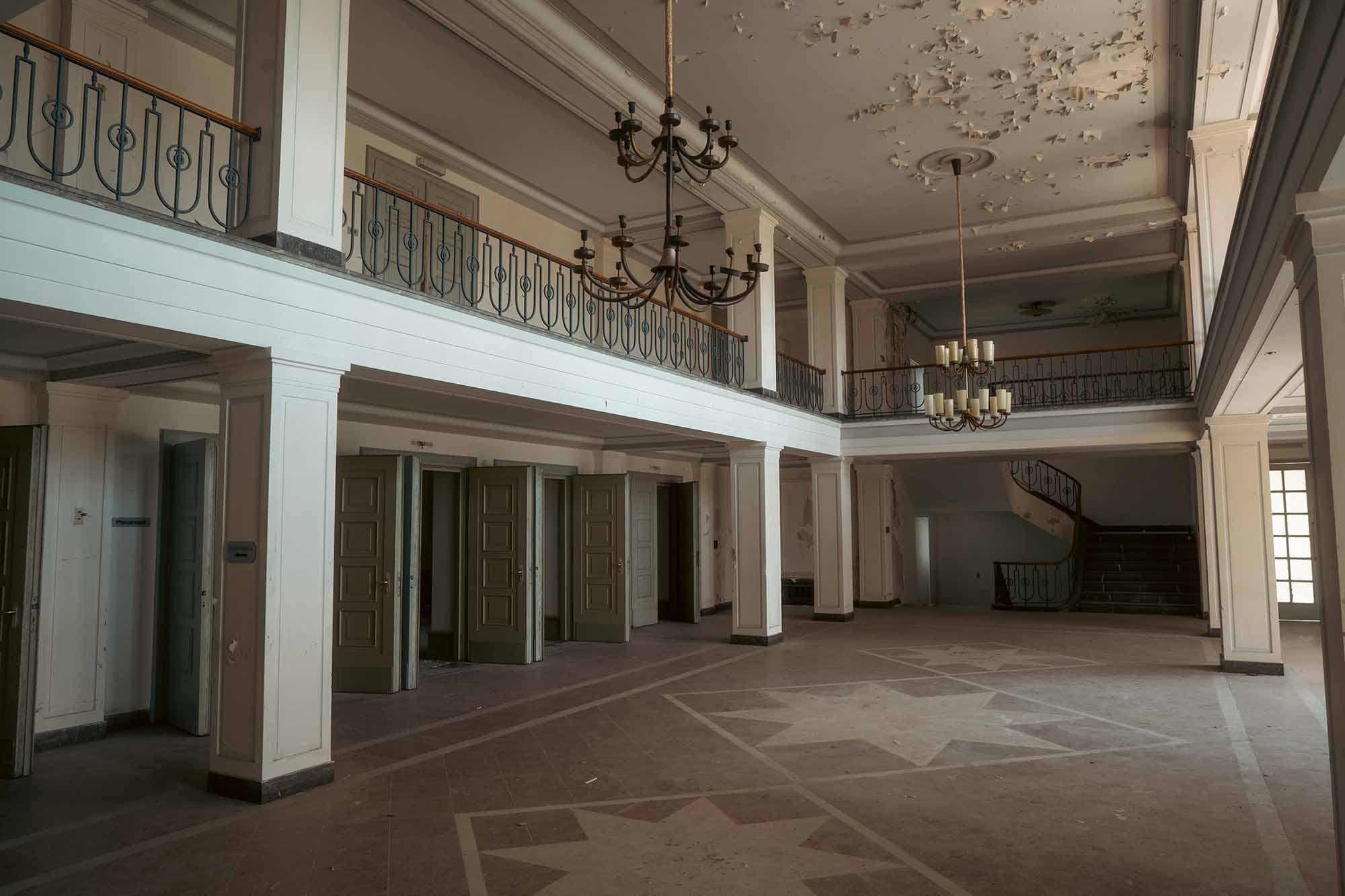
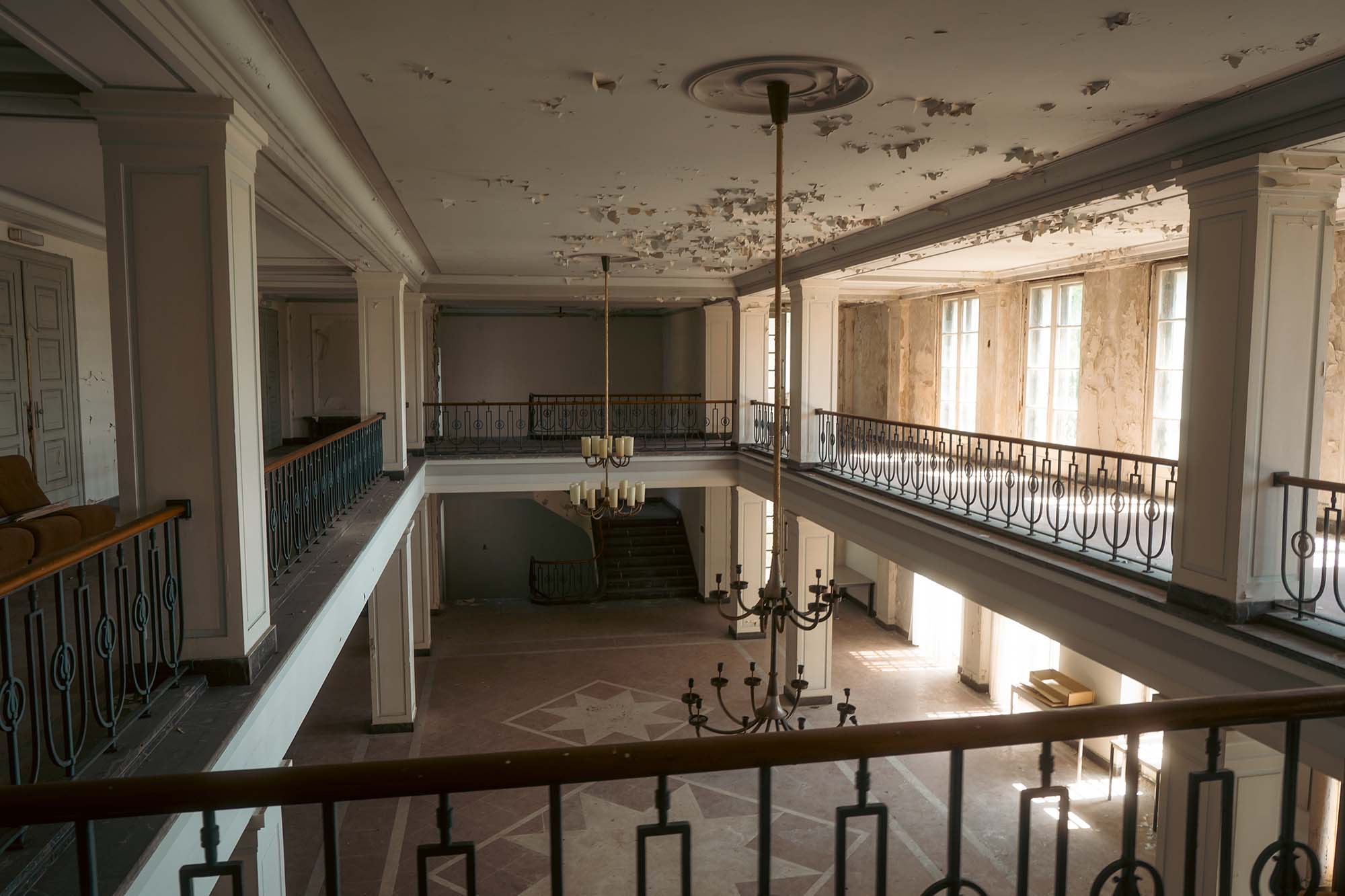
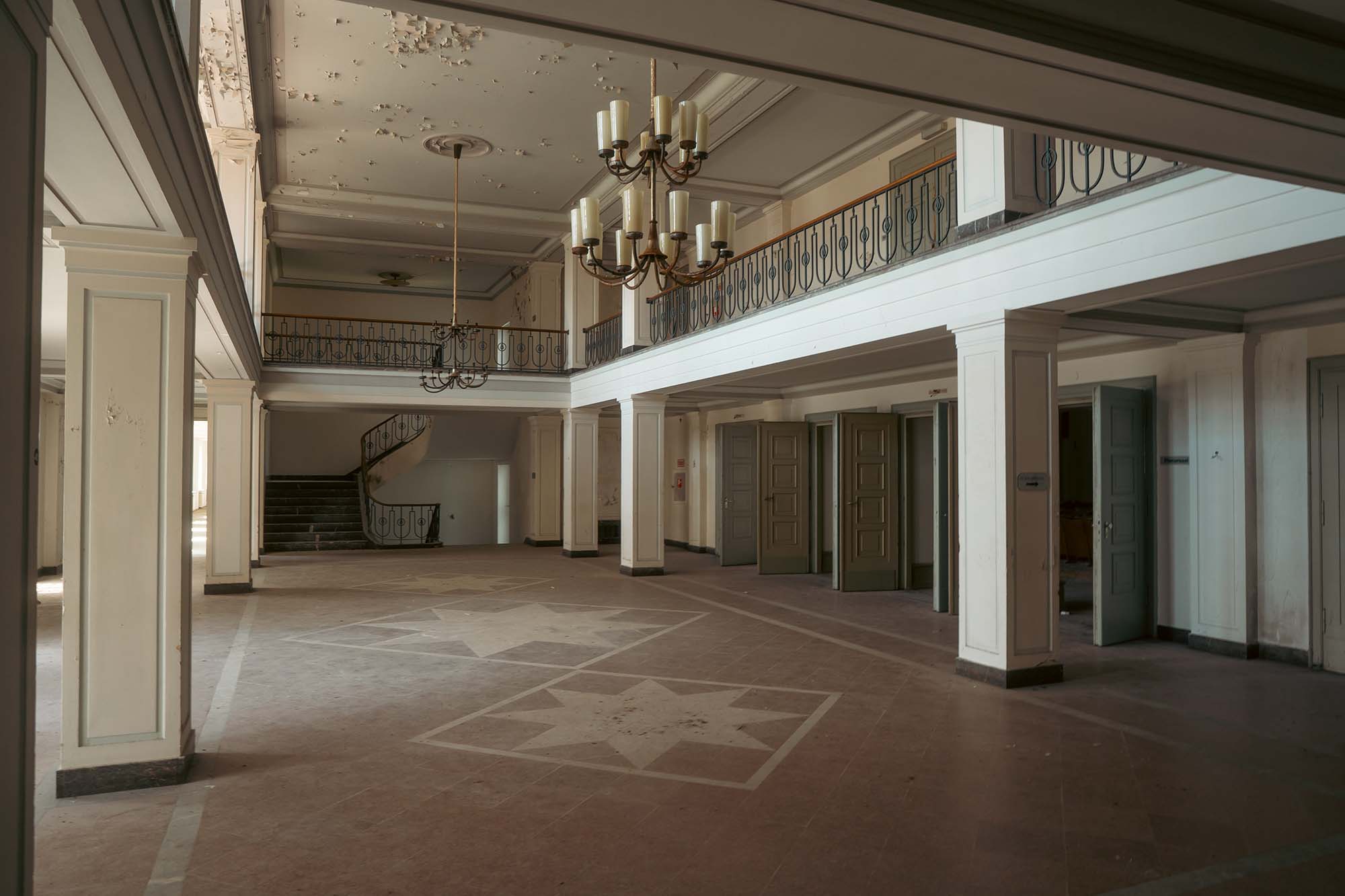
I’ve always been fascinated by history, and I belong to those who insist it must never be forgotten—especially the dark period of World War II. The human cruelty and the suffering of millions of people and their families must not fade from memory, nor should it be questioned by deniers. When I had the chance to visit the last standing house of the Nazi leader Joseph Goebbels, I didn’t hesitate for a moment. I would be standing in the very place where history was written. I would walk the same halls once traversed by some of the most powerful—and simultaneously brutal—men of that era, men who showed no mercy even to the smallest and most defenseless. I would see the rooms that hosted lavish parties, opulent celebrations, distinguished artists, and film stars. Perhaps I would be just a step away from the desk where Goebbels crafted his fiery speeches.
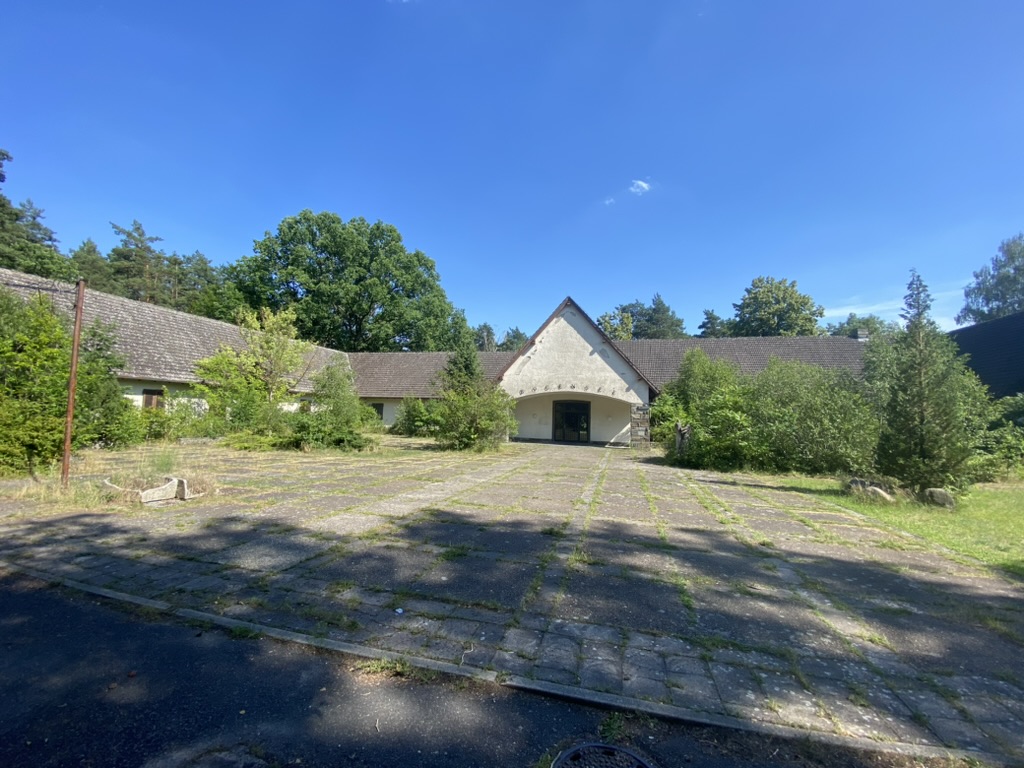
Goebbels’ house, primarily used as a country residence, stands secluded in the woods, away from major roads. This makes it an even more mysterious hideaway, and I must admit that on site, I felt a mixture of revulsion and curiosity, alongside a genuine interest in the house’s history. What was it like to be a prominent guest of Joseph Goebbels, arriving at one of his wild parties? How did Lída Baarová and others feel as they moved through Goebbels’ bedroom? Did they fully grasp who the man was, offering champagne in such a luxurious setting? It’s a shame the walls of the house cannot tell their story. All we can do is capture them in photographs and imagine what kind of companion, friend, husband, or secret lover Goebbels may have been.
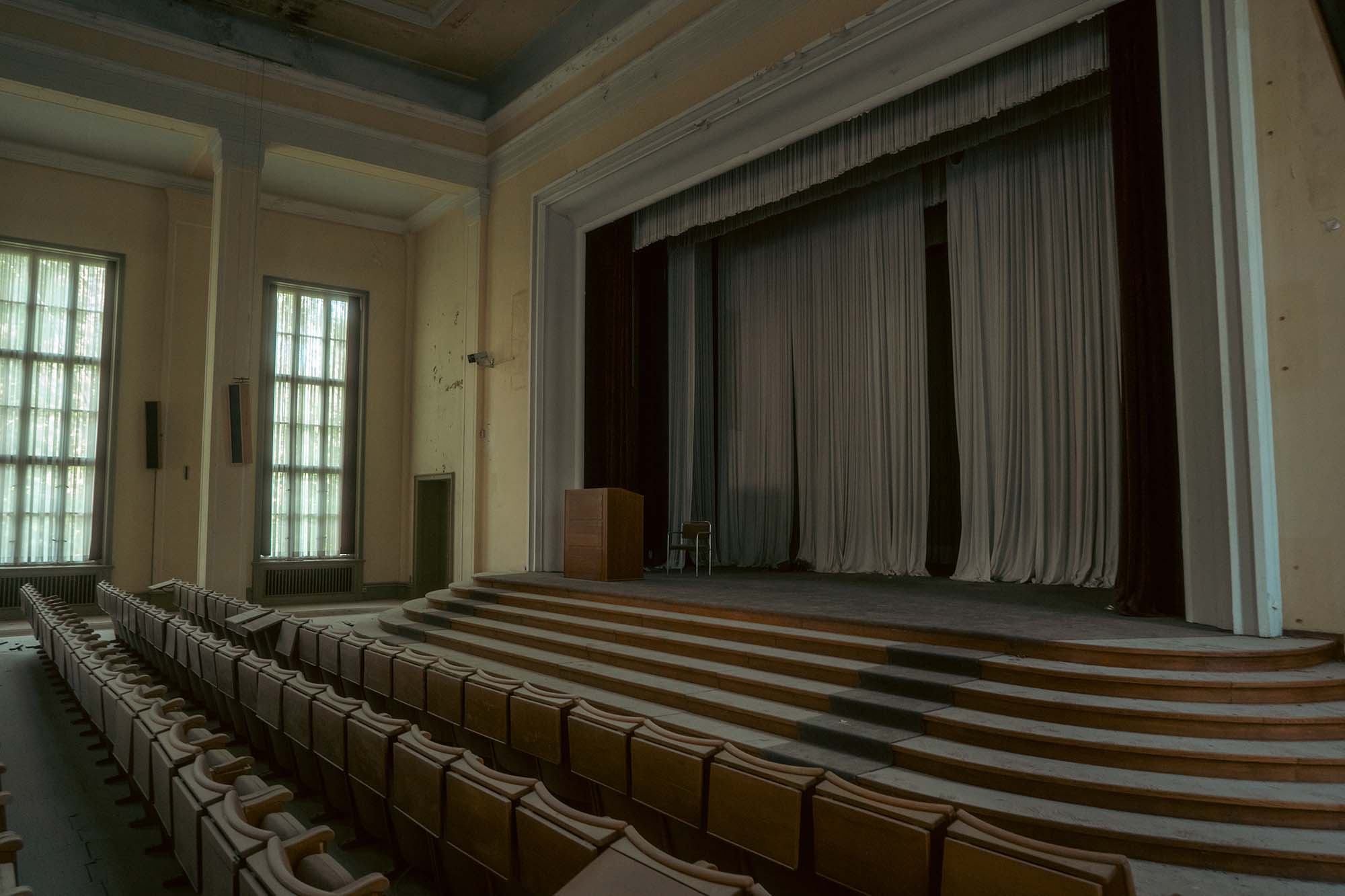
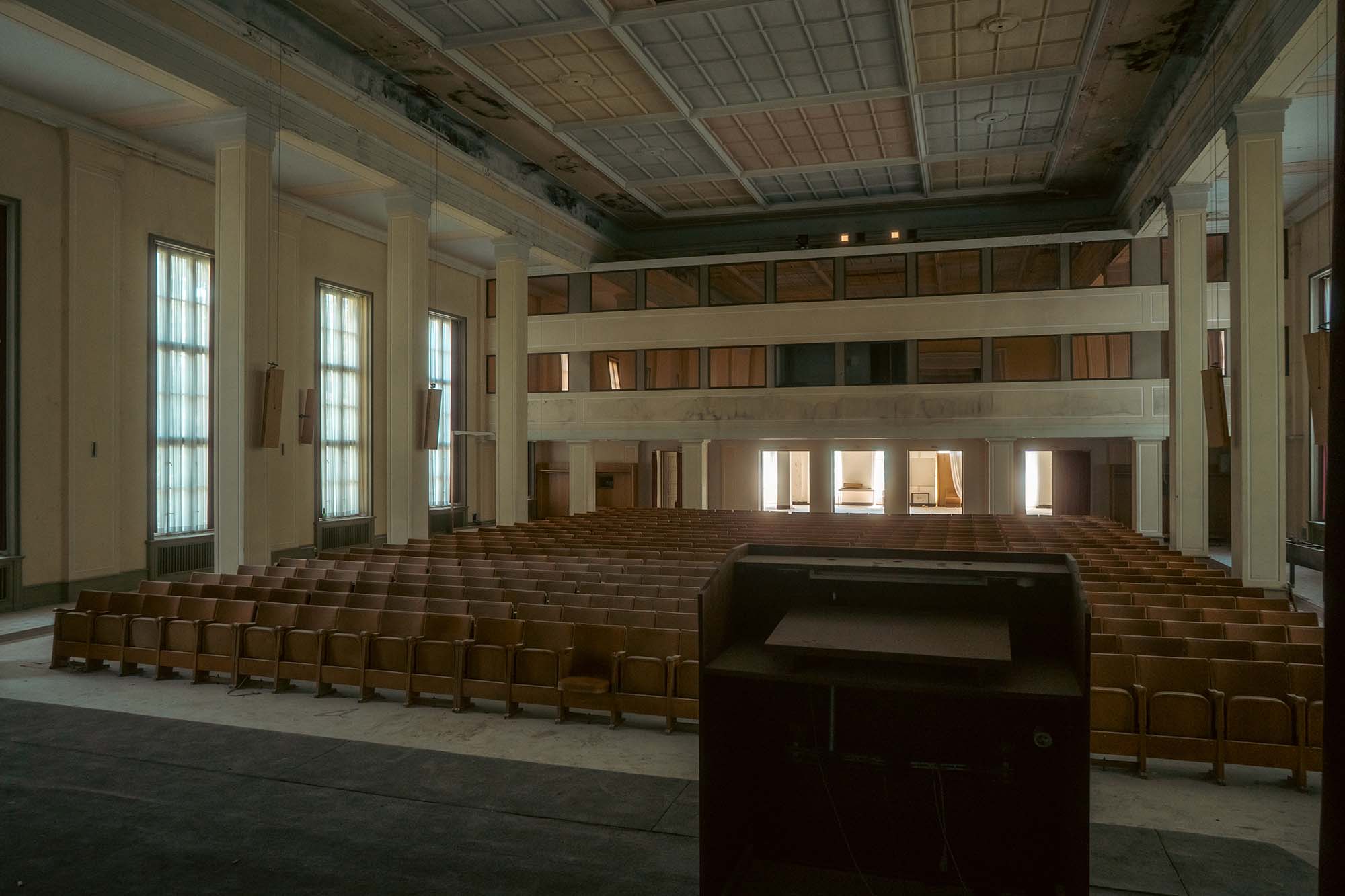
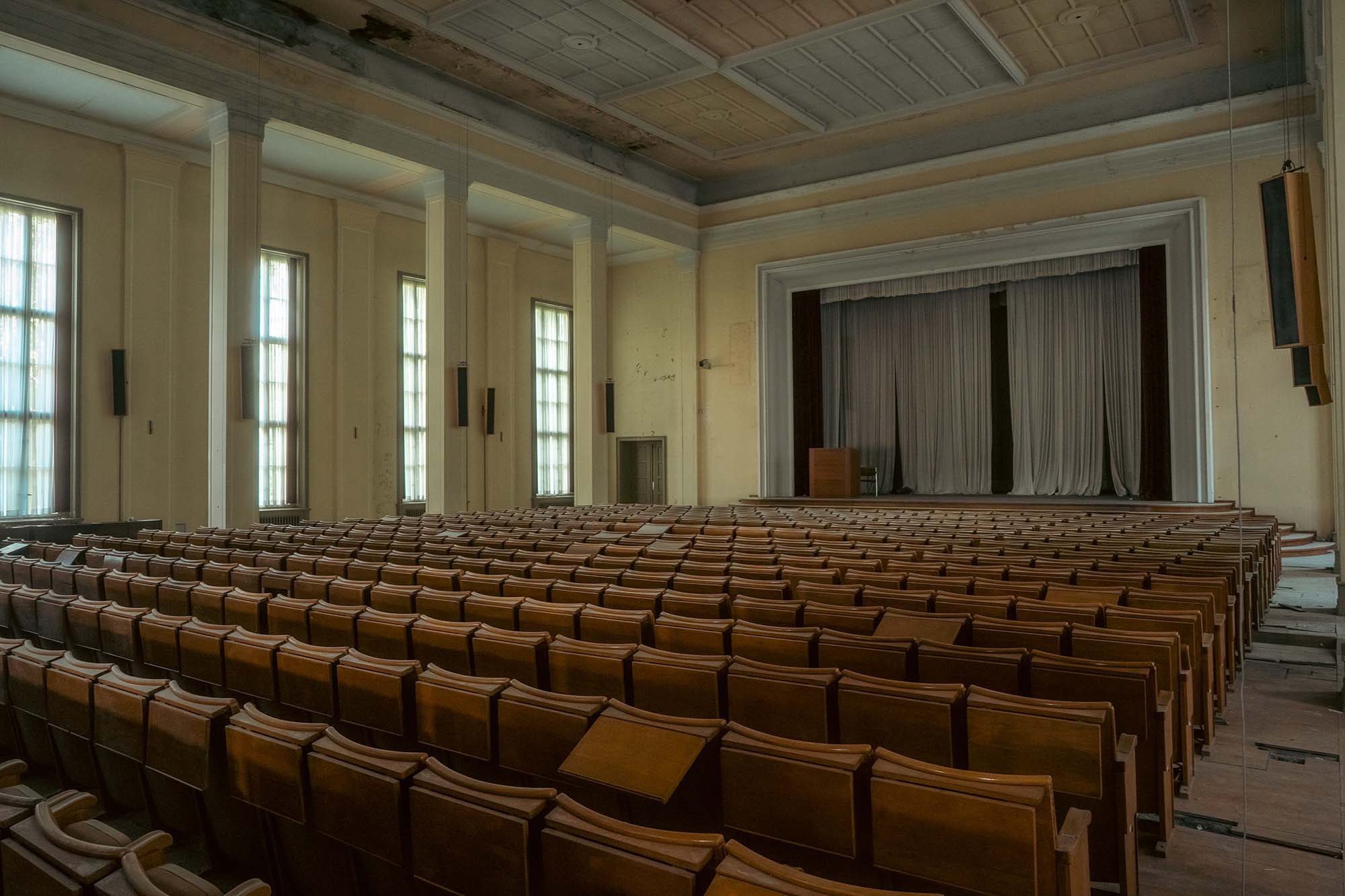
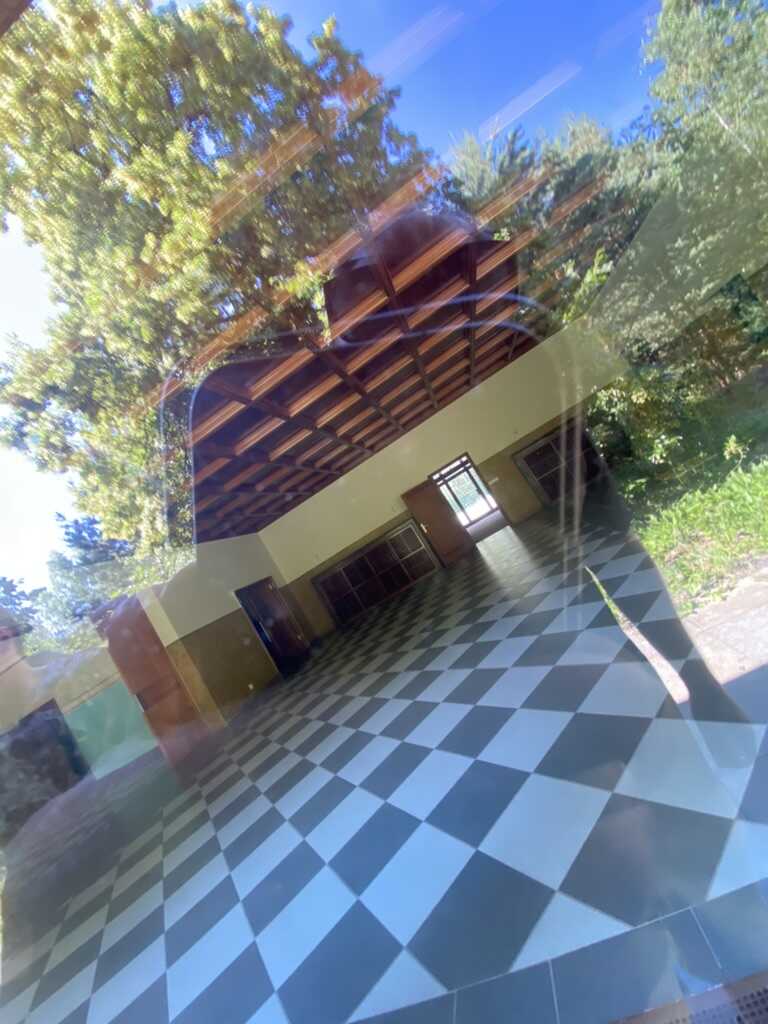
Today, the house stands as an abandoned and silent monument to the era, preserved only because after World War II it was used as a center for Soviet youth and later housed a university. This use spared it from destruction and decay. Nearby, there were also abandoned administrative buildings that long bore further reminders of the Nazi past. Until recently, one stairwell ceiling still bore a Nazi swastika—but that is another story, one deserving its own telling.